

Protect Your Pet with Health Care Insurance
December 22, 2025
Comparing Pet Insurance Prices: Find the Best Deal
January 19, 2026Protect Your Pet with Animal Health Insurance
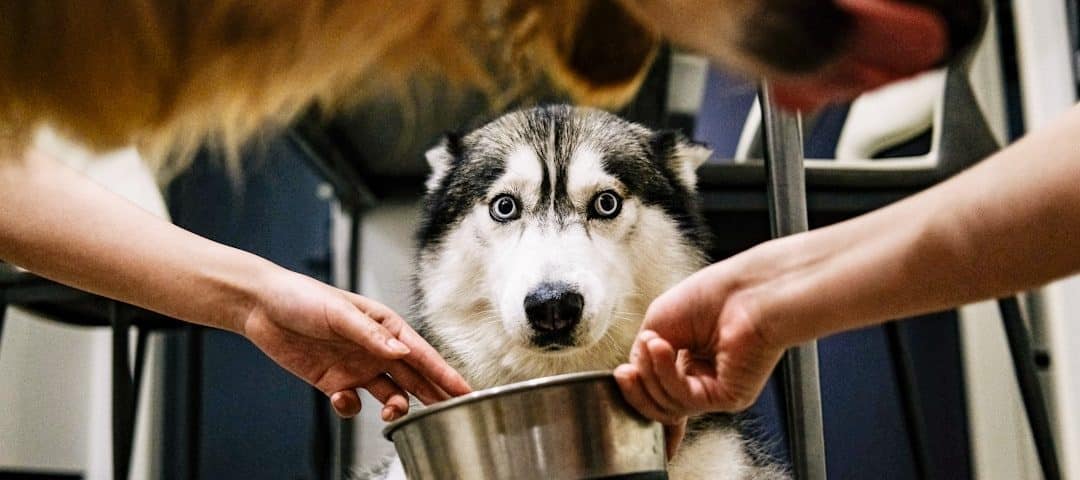
Knowing Animal Health Insurance As pet owners, we frequently feel overburdened by the numerous obligations that accompany taking care of our animal friends. Making sure our pets get the best medical care possible is one of the most important parts of pet ownership. Herein lies the role of animal health insurance.
Making educated decisions regarding the health & welfare of our pets begins with understanding what animal health insurance entails.
Pet insurance, also known as animal health insurance, is a policy that assists in paying for our pets’ medical expenses.
Key Takeaways
- Animal health insurance helps cover veterinary costs and ensures timely medical care for pets.
- Benefits include financial protection, access to better treatments, and peace of mind for pet owners.
- Common types include accident-only, comprehensive, and wellness plans tailored to different needs.
- Choosing the right insurance involves comparing coverage, premiums, exclusions, and customer reviews.
- Understanding policy details and avoiding misconceptions can maximize the value of your insurance.
It offers financial protection against unforeseen medical costs, much like human health insurance. As pet owners, having a safety net can be crucial given the growing expense of veterinary care. It frees us from the continual concern of how to pay for our pets’ care so we can concentrate on what really matters—the health of our pets. Benefits of Animal Health Insurance: As pet owners, we can greatly benefit from the many advantages of animal health insurance. It offers peace of mind first and foremost. We can make decisions based on our pets’ needs rather than our financial limitations when we know we have a safety net in place.
This peace of mind is priceless, particularly in times of emergency when prompt decisions are required. Also, better health outcomes for our pets can result from animal health insurance. We are more likely to seek veterinary care quickly when we have coverage, which guarantees that any health problems are taken care of before they worsen. The availability of routine examinations, immunizations, and preventive care eventually improves the long-term health and happiness of our pets. In addition to protecting our finances, purchasing animal health insurance also ensures the welfare of our pets.
Types of Animal Health Insurance: There are a number of options available for animal health insurance, all of which are tailored to meet various needs and financial constraints. The most popular kinds are wellness plans, comprehensive plans, and accident-only plans. We can choose the ideal coverage for our cherished pets by being aware of these options.
Plans that only cover accidents are usually the least expensive. They provide coverage for accident-related injuries like cuts and fractured bones. Although these plans offer crucial coverage for unforeseen events, they do not cover regular medical care or illnesses. However, comprehensive plans provide a wider range of coverage, including coverage for illnesses, accidents, and even genetic disorders.
| Metric | Description | Typical Value / Range | Notes |
|---|---|---|---|
| Average Premium Cost | Annual cost paid by pet owners for insurance coverage | 200 – 600 | Varies by animal type, breed, age, and coverage level |
| Coverage Types | Types of health issues covered by insurance | Accidents, Illnesses, Wellness, Hereditary Conditions | Some plans exclude pre-existing conditions |
| Claim Reimbursement Rate | Percentage of vet bills reimbursed by insurer | 70% – 90% | Depends on plan terms and deductibles |
| Deductible Amount | Amount paid out-of-pocket before insurance pays | 100 – 500 | Can be annual or per incident |
| Average Claim Processing Time | Time taken to process and pay a claim | 7 – 14 days | Faster processing with digital submissions |
| Commonly Insured Animals | Types of animals most frequently insured | Dogs, Cats, Horses | Coverage for exotic pets is less common |
| Policy Renewal Rate | Percentage of customers renewing their policies annually | 75% – 85% | Higher renewal with good customer service |
Those who wish to have total peace of mind about the health of their pets should consider these plans. Wellness programs are an additional choice that should be thought about. Preventive care is the main focus of these plans, which include regular examinations, immunizations, and other necessary services that maintain our pets’ health.
Wellness plans can be a useful addition to a comprehensive policy or a stand-alone choice for people who value preventive care, even though they do not cover illnesses or accidents. How to Select the Best Animal Health Insurance Although it may seem difficult, selecting the best animal health insurance doesn’t have to be. By taking into account a few crucial elements, we can streamline the procedure. We should first determine the unique needs of our pets.
For example, a comprehensive plan might be more appropriate if we have an elderly pet or a breed that is prone to certain health problems. On the other hand, if our pet is young and healthy, an accident-only strategy might be adequate. After that, we ought to assess our budget. Depending on coverage levels and deductibles, premiums can differ dramatically. Finding a balance between affordability and sufficient coverage is crucial.
Also, we ought to spend time reading reviews and contrasting various providers. Our experience with an insurance company can be significantly impacted by important factors like customer service & the effectiveness of claims processing. Finally, it’s important to ask questions.
If we have any questions concerning their policies, reputable insurance companies will be happy to address them. We can confidently select an animal health insurance plan that meets both our needs and those of our pets by following these steps. Making the Most of Your Animal Health Insurance It’s crucial to make the most of your pet’s insurance once we’ve obtained it. Maintaining thorough records of our pets’ medical history is one way to achieve this. Records of past illnesses, vaccinations, and treatments are all included in this.
Having this data on hand can expedite the claims procedure and guarantee that we get the coverage to which we are legally entitled. We should also familiarize ourselves with our policy’s terms and conditions. Making educated decisions regarding the medical care of our pets will be made easier if we are aware of what is and is not covered.
Also, as our pets get older or new treatments become available, we should monitor any changes in policy terms or coverage limitations. Another essential component of maximizing the benefits of our animal health insurance is maintaining regular contact with our veterinarian. We can make sure that they suggest procedures & treatments that complement the benefits of our policy by talking to them about our insurance coverage. In addition to preventing unforeseen out-of-pocket costs, this proactive approach will guarantee that our pets receive the best care possible.
Common Misconceptions About Animal Health Insurance Despite the fact that animal health insurance is becoming more & more popular, there are still a number of misconceptions that could discourage pet owners from thinking about it. A prevalent misconception is that pet insurance is too costly for most people. Although premiums can differ significantly depending on coverage levels & pet age, there are plenty of reasonably priced options. We can find a plan that suits our budget without compromising the standard of care for our pets by comparing & contrasting various providers.
The idea that pet insurance only covers accidents or emergencies is another common misconception. In actuality, a lot of policies provide complete coverage that covers preventive care as well as routine care. This implies that we can make long-term investments in the health of our pets without having to worry about future high expenses. We can make better decisions regarding the medical care of our pets if we are aware of the entire range of benefits that animal health insurance can provide. Finally, some pet owners think that having pre-existing medical conditions will automatically prevent them from getting insurance.
Although many policies do not cover pre-existing conditions, some providers do offer plans with limited coverage for specific conditions following a waiting period. Even if our pets already have health problems, we can find solutions that suit us by conducting in-depth research and asking questions. To sum up, everyone who wants to give their pets the best care possible must understand animal health insurance. We can make sure that we and our cherished pets are ready for whatever life throws at us by understanding the advantages it provides, investigating various forms of coverage, and knowing how to select the best plan for our requirements. We can confidently navigate the world of pet healthcare while putting our pets’ welfare first when Palmetto Pet Insurance is on our side.
FAQs
What is animal health insurance?
Animal health insurance is a type of insurance policy designed to cover veterinary expenses for pets or livestock. It helps pet owners manage the cost of medical treatments, surgeries, and routine care.
What types of animals can be insured?
Most animal health insurance policies cover common pets such as dogs and cats. Some insurers also offer coverage for horses, exotic pets, and livestock, depending on the provider and policy.
What does animal health insurance typically cover?
Coverage usually includes accidents, illnesses, surgeries, diagnostic tests, and sometimes routine care like vaccinations and annual check-ups. Coverage specifics vary by policy and insurer.
Are pre-existing conditions covered by animal health insurance?
Generally, pre-existing conditions are not covered by animal health insurance policies. Some insurers may offer limited coverage after a waiting period, but it varies widely.
How much does animal health insurance cost?
The cost depends on factors such as the animal’s species, breed, age, health status, coverage level, and location. Premiums can range from a few dollars to several hundred dollars per month.
How do I file a claim for animal health insurance?
Typically, you pay the veterinary bill upfront and then submit a claim form along with receipts to the insurance company. The insurer will review the claim and reimburse you according to the policy terms.
Is there a waiting period before coverage begins?
Yes, most animal health insurance policies have a waiting period, which can range from a few days to several weeks, before coverage for illnesses or injuries starts.
Can I choose my own veterinarian?
Most animal health insurance plans allow you to visit any licensed veterinarian, but it’s important to confirm this with your insurer before purchasing a policy.
Why should I consider animal health insurance?
Animal health insurance can help reduce the financial burden of unexpected veterinary bills, ensuring your pet or livestock receives timely and appropriate medical care without significant out-of-pocket expenses.
Are there exclusions in animal health insurance policies?
Yes, common exclusions include pre-existing conditions, cosmetic procedures, breeding-related costs, and certain hereditary or congenital conditions. Always review the policy details carefully.